 Msida Marina, Malta
 Call us:
  info@sasmarineco.com


Best polarized sailing sunglasses
Being the most common accessory in any wardrobe, sunglasses are synonym of style and personality. However, along with the undeniable aesthetic contribution, these accessories fulfill an essential protection function. From the outset, they minimize the impact of ultraviolet rays, preventing possible eye injuries and allowing sufficient visibility to navigate safely. It should not be forgotten that when we sail on very sunny days, the reflection of the sun in the water increases the sensation of luminosity. What’s more, the boat’s own cover can act as a reflective surface and hinder nautical activity by hindering vision. In addition, although we do not realize it until later, prolonged exposure to ultraviolet rays can end up causing a loss of irrecoverable vision. It is therefore mandatory to protect yourself properly with sunglasses.

Characteristics
There are many types of sunglasses and not all of them give the same result whatever the weather conditions.
Lens color: The coloration of the lenses has high influence on the characteristics of the glasses. The gray lenses, for example, are the most recommended for driving (including the piloting of sailing boats) due to the sharpness they get on sunny days. In cloudy days, however, brown lenses stand out, as the contrast of colors increases. However, perhaps the most interesting alternative for sailing is the purple lenses, which highlight the silhouettes on a blue background (the sea).
Lens shape: The shape of the lens also has major importance in its benefits. Generally, lenses with less angularity better preserve the contrast and contour of objects. However, its use in activities that require optimal visibility is not recommended because they have less resistance to glare. Flat lenses do not effectively repel the rays reflected in the water (which are the ones that most affect vision) so that sailors and other professional athletes never use sunglasses of this type. Curved lenses, on the other hand, offer a worse sharpness but prevent sunlight from reaching the eye directly.
Lens material: Regarding the material used (aspect as much or more important than the shape of the lens itself), we can distinguish two large bases: glass and polycarbonate. Glass is the most conventional material, with a considerable degree of plasticity and resistance to bumps and scratches. In recent years, a new technique for preparation of glass (optically ground glass) has gained force, which improves visibility but increases the weight of the lens. Polycarbonate for its part is extraordinarily light and its use in water sports is practically generalized. It should be added that this material does not splinter, so safety is total. Its cleaning does not present major difficulty either.
Polarization: All lenses used in sailing must be polarized. By polarization, we understand the phenomenon by which the sun’s rays reflected on a smooth surface are concentrated in a single plane. This causes a horizontal glare that makes it impossible to drive any boat (vertical reflections do not cause glare). Polarized lenses repel these reflected rays without reducing the intensity of light, so visibility is always optimal for navigation. In short, besides looking at aesthetic factors, we must not forget that sunglasses are an accessory for protection.
Frames: The material with which the frames are made also has its importance for navigation. In this case, the emphasis is on lightness and water resistance. Precisely for this reason, metal frames so popular today are hardly used in water activities. The reason is none other than oxidation, something that does not happen for example with a synthetic (nylon) or titanium, although in this case the price is significantly increased. The nature of the frame is essential to configure the style of the sunglasses (aviator, double bridge, fisherman …). In the races, for example, the wraparound glasses stand out, offering an exceptional fit.

In no particular order, here are a few models fit for sailors and boaters.
OAKLEY HOLBROOK POLARIZED
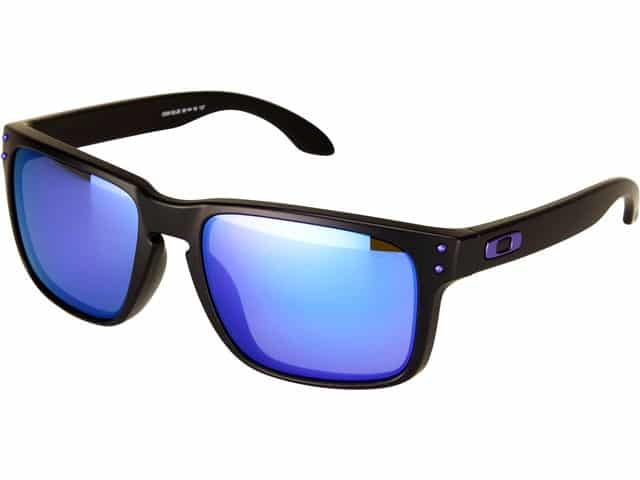
Oakley holbrook polarized
Brand: Oakley
Gender: Men
Year: 2014
Frame Colour: Black
Lens Colour: Blue
Frame Shape: Square
Frame Style: Full Rim
Frame Material: Plastic
Lens Material: Polycarbonate
SMITH WAYWARD
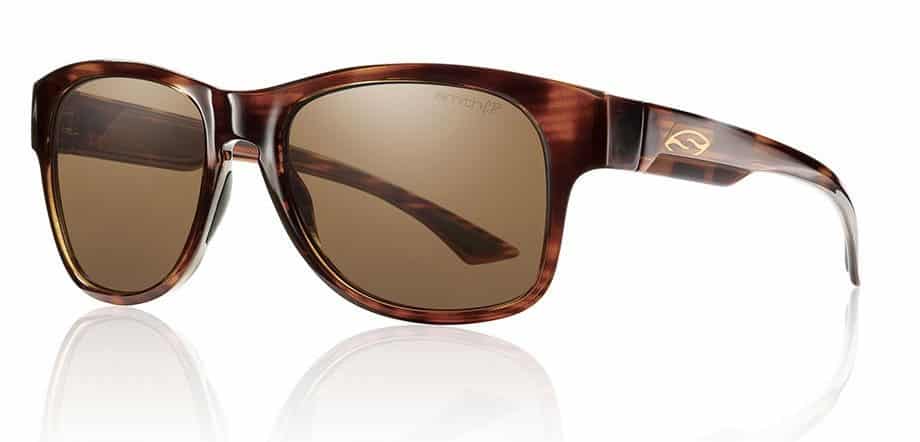
Smith Wayward sailing sunglasses
Brand: Smith
Gender: Unisex
Year: 2016
Frame Colour: Tortoise
Lens Colour: Brown
Frame Shape: Square
Frame Style: Full Rim
Frame Material: Plastic
Lens Material: Polycarbonate
OAKLEY SLIVER POLARIZED
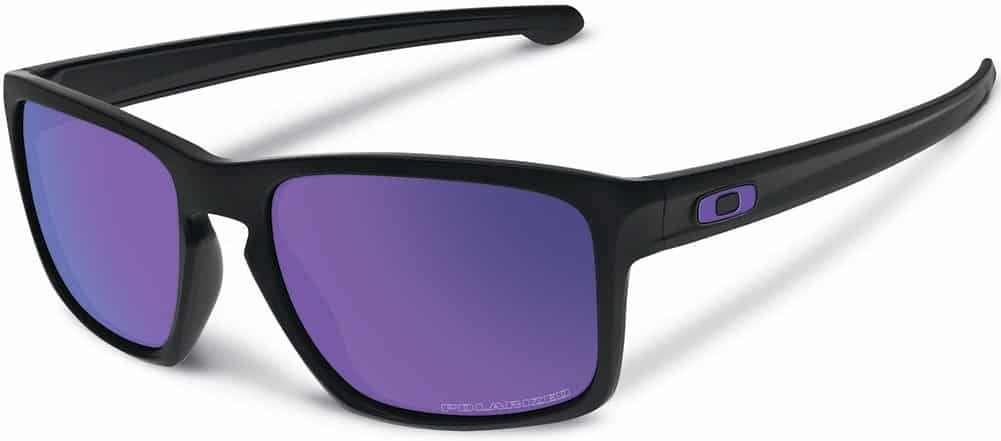
Oakley silver polarized
Brand: Oakley
Gender: Men
Year: 2015
Frame Colour: Black
Lens Colour: Purple
Frame Shape: Square
Frame Style: Full Rim
Frame Material: Plastic
Lens Material: Plastic
CEBE LUPKA POLARISED
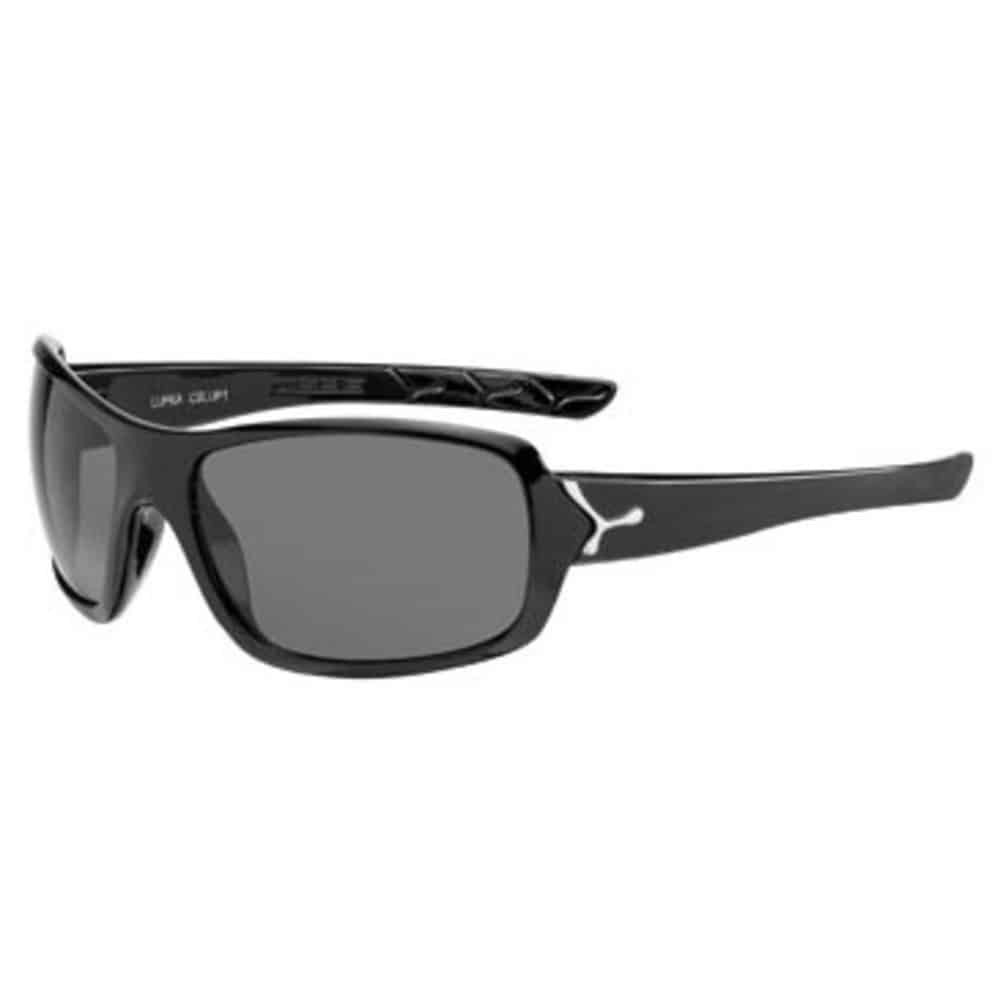
Cebe lupka polarised
Brand: Cebe
Gender: Unisex
Year: 2014
Frame Colour: Grey
Lens Colour: Grey
Frame Shape: Wraparound
Frame Style: Full Rim
Frame Material: Plastic
Lens Material: Plastic
BLOC COAST POLARIZED
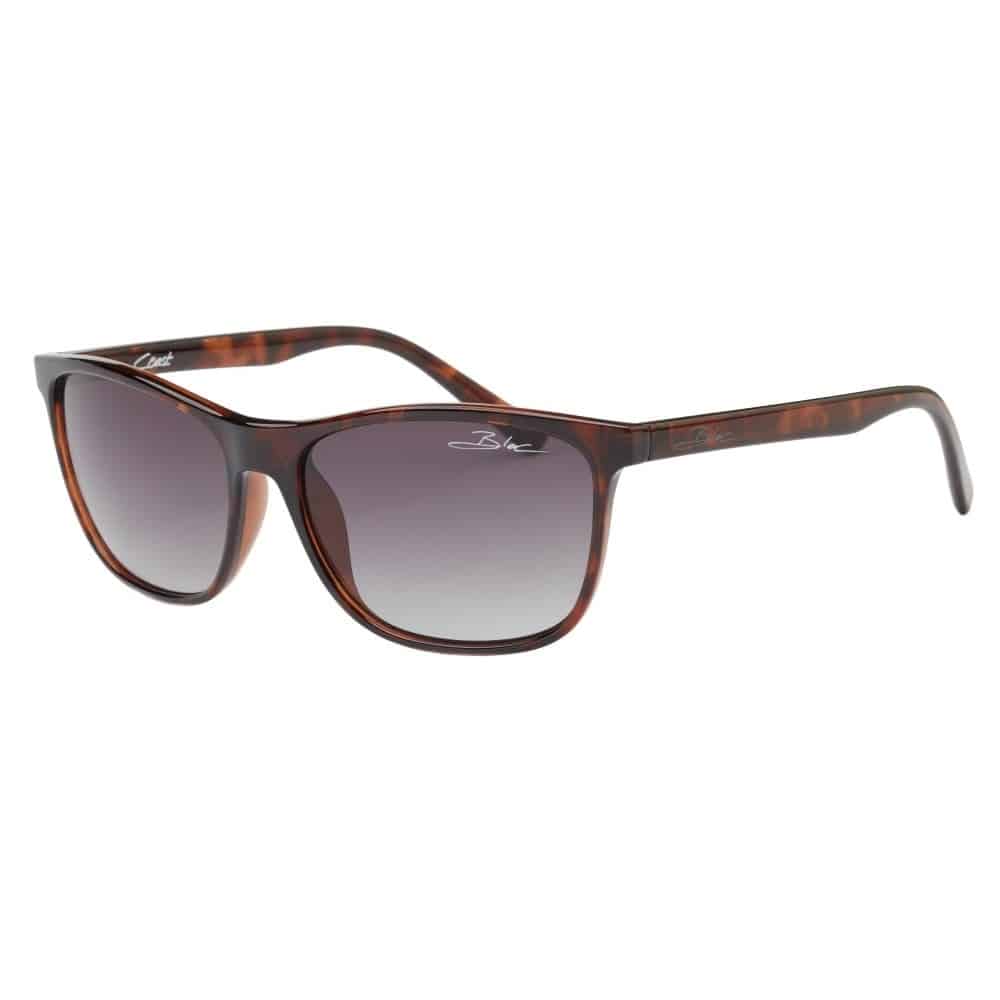
Bloc coast polarized
Brand: Bloc
Gender: Unisex
Year: 2016
Frame Colour: Tortoise
Lens Colour: Grey
Frame Shape: Square
Frame Style: Full Rim
Frame Material: Plastic
Lens Material: Polycarbonate
MAUI JIM WILD COAST POLARIZED
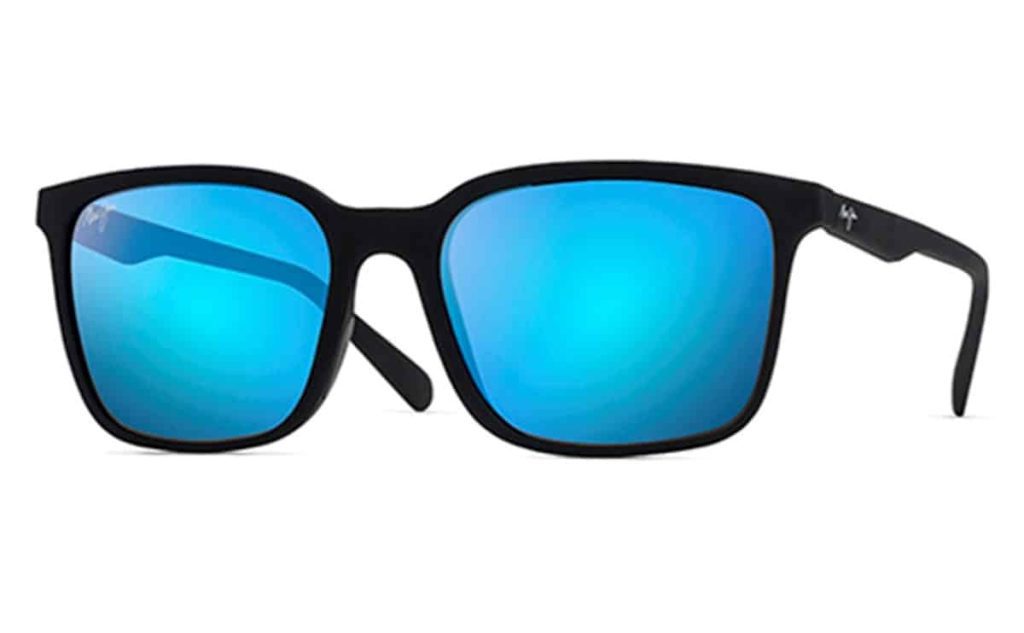
Maui Jim Wild Coast polarized
Brand: Maui Jim
Gender: Unisex
Year: 2017
Frame Colour: Black
Lens Colour: Blue
Frame Shape: Square
Frame Style: Full Rim
Frame Material: Plastic
Lens Material: Plastic
POLAROID KID POLARIZED
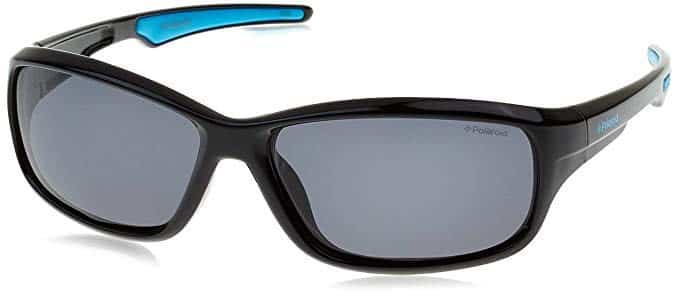
Pollariod kid polarized
Brand: Polaroid
Gender: Kids
Year: 2014
Frame Colour: Black
Lens Colour: Grey
Frame Shape: Rectangle
Frame Style: Full Rim
Frame Material: Plastic
Lens Material: Plastic


