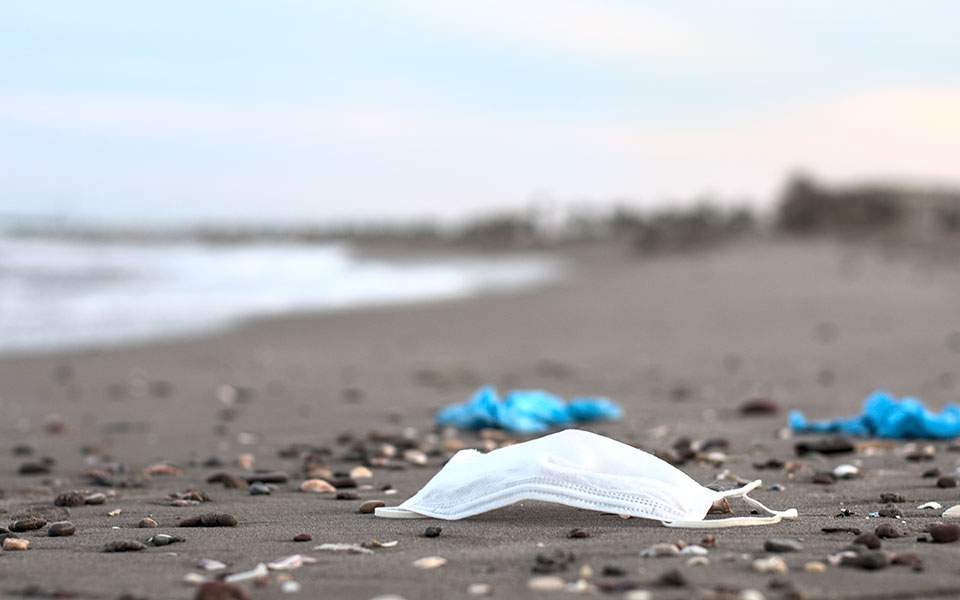
book2sail-COVID 19 mask on a beach

The emergence of Covid-19 this year has without a shadow of a doubt sent powerful ripples throughout every area of our lives as we know it – From the economy to governments and of course, and perhaps most importantly, our ecosystems and climate.

boat hire marmaris turkey

But how has the global pandemic as we know it really affected our natural environments and how has mother nature reacted – let’s take a quick run-through of what we can observe thus far.
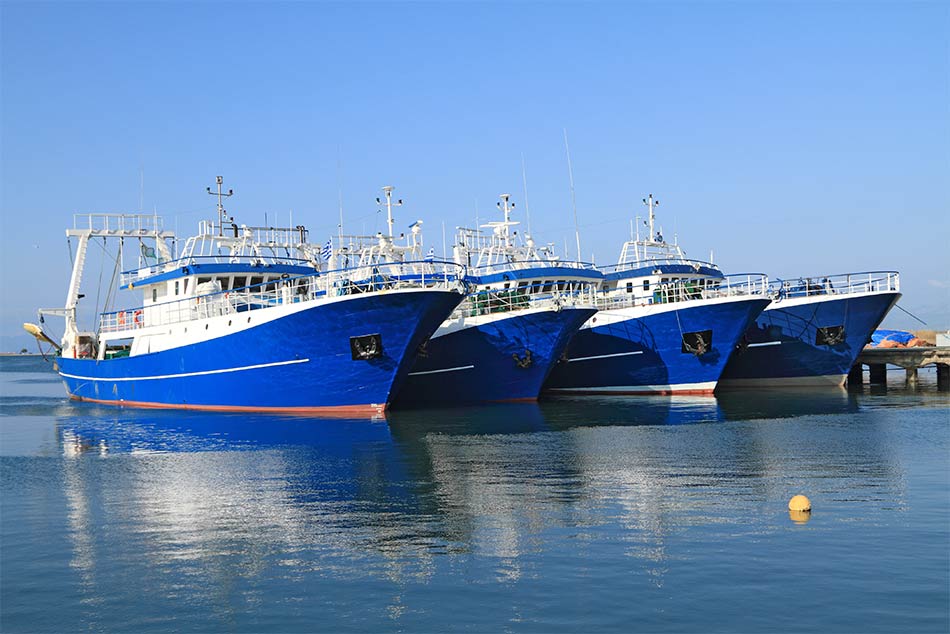
book2sail-renting a boat during COVID 19 pandemic

Despite the rather negative generalised outcomes we have witnessed so far, there has actually been a noticeably positive effect on the health of our seas and oceans. The reduction of maritime activities, traffic and associated commerce, has allowed our waters a moment respite. Levels of pollution have declined, marine flora and fauna have been given a chance to breathe, to rejuvenate – the temporary cessation of overfishing has permitted aqua life to strengthen their numbers. However, it is important to note that these short-term benefits seen within our ecosystem are met with equally negative effects; businesses, livelihoods and of course food guarantees for large numbers of people have been placed in jeopardy.
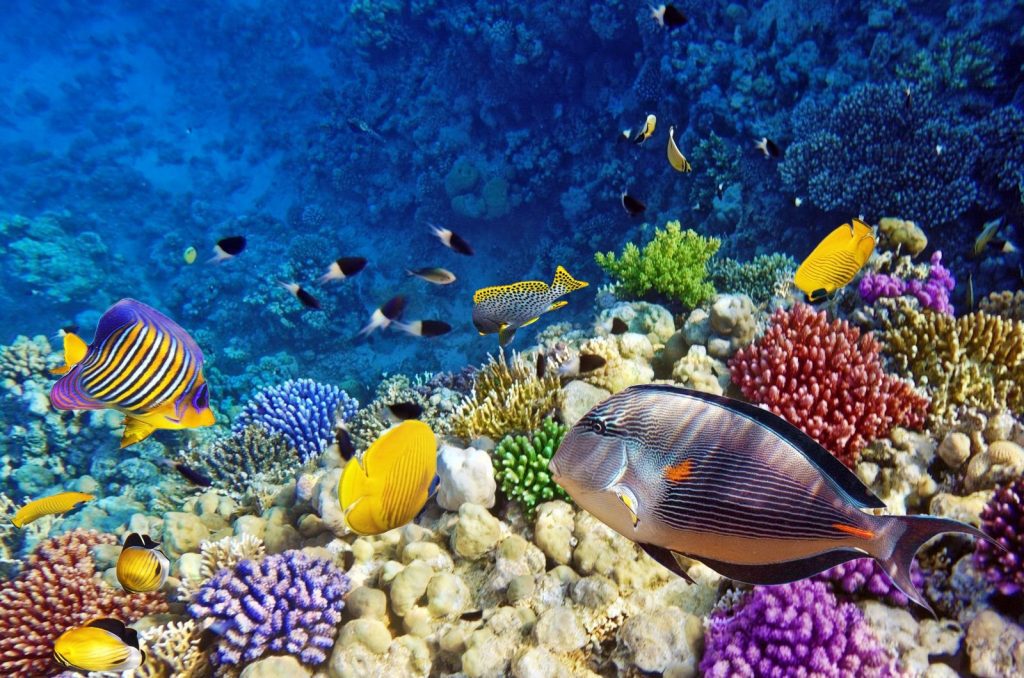
book2sail-flora and fauna during COVID 19 pandemic

Further to the above, Covid-19 related changes have unfortunately allowed for illegal activities regarding poaching and deforestation to continue with less scrutiny – economic issues have also led to less focus being placed upon green energy research and investment.

The famed city of Venice dubbed the ‘city of water’, has seen a significant clearing and cleansing of its waterways through this uncertain time – largely due to the prolonged settlement of sediment which would usually have been continually kicked up by its traffic, and of course the lack of traffic itself adding to a decrease in pollution.

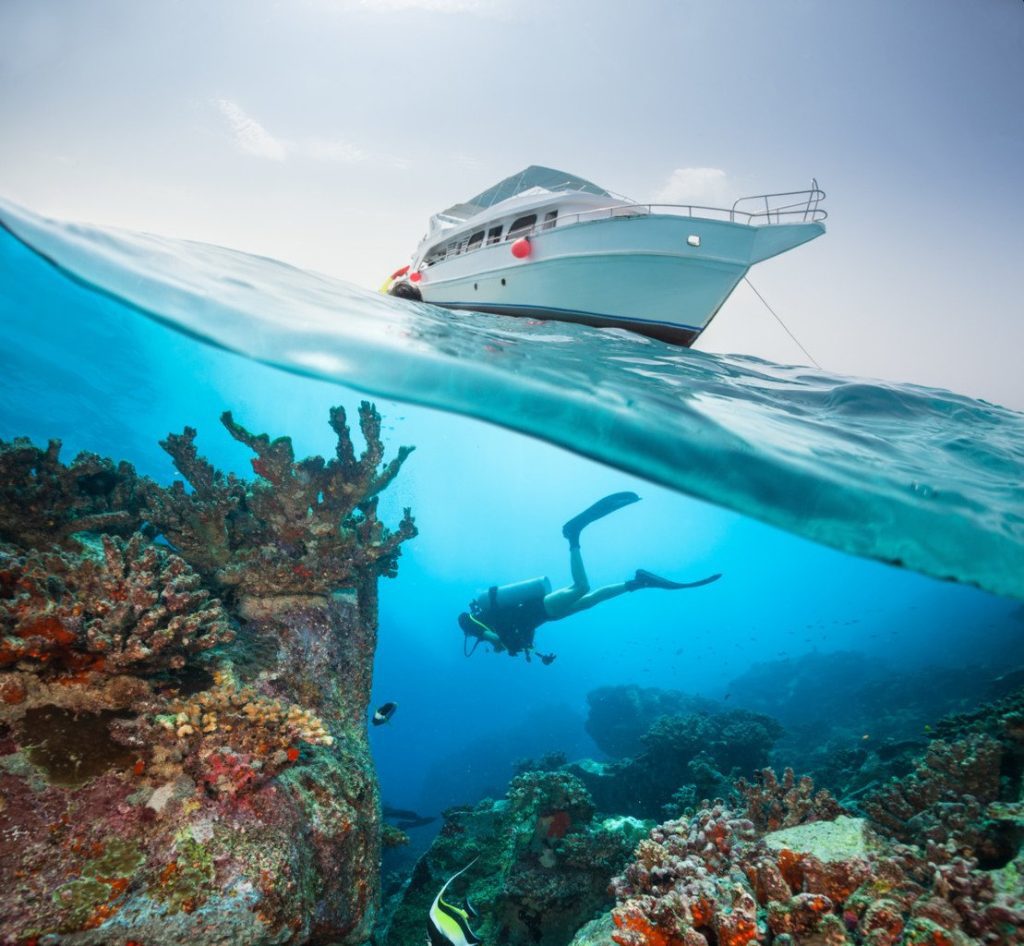
fastest yachts
book2sail-No pollution because of COVID 19

The global demand for fish coupled with much of the worlds fishing fleets sitting idle have led to a surge in prices for seafood. Lockdowns internationally, leading to a sharp decline in general tourism has given the opportunity for many aquatic species to repopulate as mentioned above, most notably (and oft mentioned) sea turtles, returning to lay eggs on beaches they had shunned for some time due to human presence amongst other things.

The largest cause for a decline in generalised pollution is indeed linked to the considerable drop in travel globally – International governmental efforts to contain and mitigate the spread of Covid-19, rooted in travel bans and lockdowns have played the largest role.

There are pros and cons to this pandemic, from an environmental standpoint – let us hope that once this period passes, we, collectively, will have learned some valuable lessons that we can implement in the journey towards taking better care of what we have been blessed with.

Frequently asked questions

  • 1
    What are some of the key preparations I should consider prior to my yacht charter?
    • Travel Documentation

      Always ensure you have some form of acceptable identification, in legible condition and valid.

      Medication

      Double check that both you and other individuals in your group remember to bring important medications that you are currently being prescribed, accounting for the amount of time you will be at sea.

      Money & Additional expenses

      It would be prudent to budget for slightly over what you anticipate spending. Charter related expenses will be made known, however you never know whether you will need something once travelling.

      Research

      Set aside some time look up the areas you intend on visiting, both whilst chartering (as part of your anticipated itinerary) and whilst travelling to the location at which you will begin your charter.

      Supplies

      As with any journey or holiday, ensure you have adequate toiletries, perhaps some favored foods and snacks.

      Clothing

      Bring the types of clothing that will, in your estimation, suit the weather conditions of the location in which you will be chartering. It may be handy to spend some time researching a few sailing blogs and weather forecasts.

      Equipment

      All necessary equipment should be found already aboard (including safety equipment and anything required to properly operate the vessel. Though you may like to bring a few extra mod-cons to ensure you have the best of experiences.

  • 2
    What is the best way to choose the right vessel and charter for me?
    • Choosing the best vessel for you and those joining you on your yacht charter, would be dependent on your personal preference. Though we recommend considering the following points:

      • Your level of experience
      • Where you will be chartering
      • The time of year and associated weather conditions
      • The ages and competence of both yourself and those in your group

      It would be very helpful for you to conduct some basic research pertaining to all of the above, by way of asking those who you know have chartered the type of vessel or been to the location you are considering, before. Yacht charter blogs and other relevant websites that will offer you an understanding of the key factors you should consider.

      And of course, we are more than happy to help you with your decision.

  • 3
    Do I need a licence to charter a yacht?
    • That all depends on where you intend to charter. If you would like to charter a yacht within Europe, the answer would be yes. It is important to remember that the correct licencing and/or documentation for your charter is your responsibility and we would strongly advise you to enquire into the legal prerequisites of your chosen charter region, taking care to note any differences if you are to cross maritime boarders.

      Regarding Europe, you will require an International Certificate of Competence, also known as the ICC.

  • 4
    What is an APA?
    • As a rule of thumb, the fee you pay for your charter, includes the rental of the vessel and the necessary crew to operate it, all other expenses associated with the charter are separate and are financed by the APA, which stands for the Advance provisioning allowance.

      The APA generally amounts to 30% of the total charter fee, though this may vary depending on the vessel.

      Dockage fees, fuel, communications and food & beverages will all be financed by the APA. Any remaining money from the APA at the end of the charter, will be returned to you.

  • 5
    What happens if the owner/captain does not show up, or is late?
    • All boat owners are bound to have someone meeting charterers on the day of charter. It is important that you as a charterer notify us if there is something wrong with your charter. For more information read the charterer’s policy.

Latest news

Charter a yacht with Book2Sail

Book2Sail makes you feel that when it comes to chartering a boat, there is no limitation. You can choose any form of boat at any time and anywhere (catamaran, sailboat, motorboat, jet ski). Whether you’re sailing in August with a catamaran to explore the Dalmatian coastline or spending Easter holidays in the French Riviera, you will find your dream boat.

Our team of chartering specialists are ready to assist you to make your chartering experience as easy as possible. We have different itineraries to cater for any type of activity you choose to do, once you are ashore.

Get in touch now and Book2Sail today.