book2sail-n2 1170x659 1

Best ways to keep your yacht secure

It is understandable to assume that the small crew of a private pleasure vessel traveling through remote areas or overseas countries may at some time encounter a stranger wanting to board their boat with treasonable intentions.  The best defense is preparation.

boat hire marmaris turkey

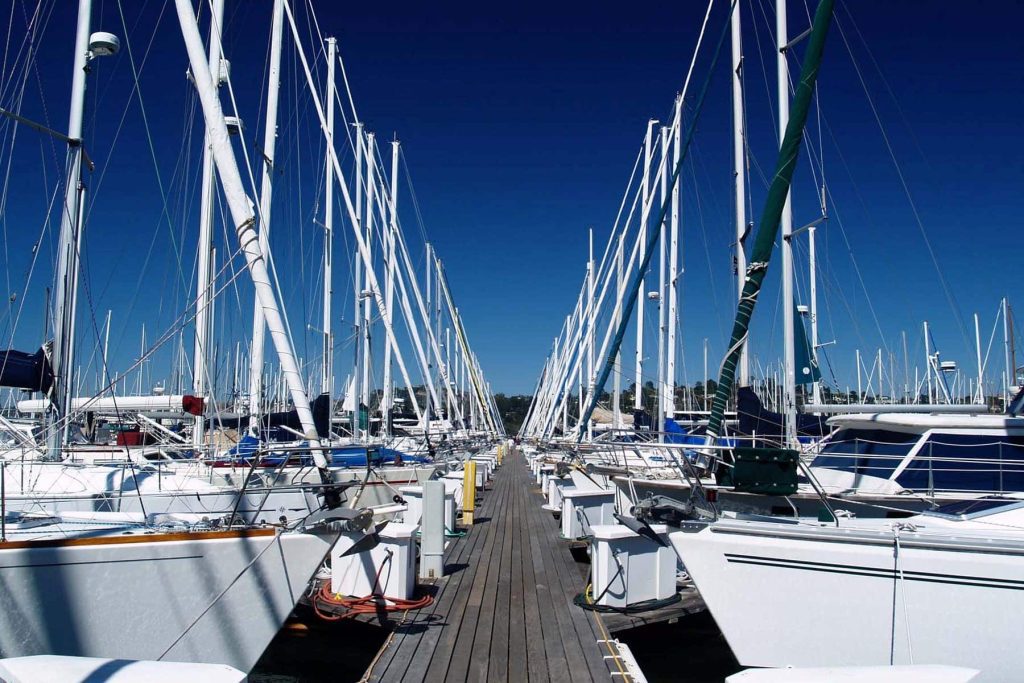
It is impossible to put doors to the sea. The security measures to prevent theft of boats and instruments onboard starts at the port itself. Having security cameras, doors with codes and permanent surveillance is additional security. However, theft can occur even in the best marinas.
book2sail-best way to keep your yacht secure book2sail

Below are some suggestions that may minimize the risk of theft from your boat:

–    Do not leave the keys of the boat onboard. In case of theft, when the keys are found on the boat, the insurance loses its coverage.

–    Avoid leaving valuables in sight. This measure also includes the equipment of the cabin and the cover. A sign which indicates that all valuables on board have been removed is usually a good deterrent.

–    Report the entrances and exits of the vessel in the port of residence.

fastest yachts

–    Use strong padlocks to secure the lockers and drawers on the boat.

–    Perform a periodic check of the boat, or entrust the surveillance to someone, who will observe any movement of objects, open gates, open hatches, and similar signs.

–    Try to show that there is movement on the boat like it`s frequently used. There is nothing more inviting for the thieves than seeing an “abandoned” boat.

–    Equip the boat with geolocation systems, independent of the navigation equipment. It must be hidden and with constant connection. These devices can be connected with mobile phones and similar devices, so you will able to position the boat in case of theft.

–    Have a copy of the vessel’s documentation and the serial numbers of the boat’s valuables also at your home. Secure the boat and each of the installed instruments. It is advisable to inform the insurer of the characteristics and the serial number of the equipment onboard, as well as to inform the Maritime Registry in your country of the installation of navigation equipment.

–    Mark all the equipment you buy for your boat with your zip code and contact information. Take photos of all the valuable items which aren’t firmly secured and create an inventory. If it is stolen, this will help police to try to recover it or the insurance company to replace it.

– Install high-quality security cameras, and position it above the main entry point of the boat and post a highly visible warning sign.

– Bring your dinghy on the deck each night, don’t leave it hanging behind the boat at night unless you are sure it is safe to do so.

If you are robbed, do report it to the local authorities immediately. Most local authorities will respond positively to a report of theft and try to solve the crime. Even if you do not get your property back, your report may assist the authorities to identify and apprehend the thieves and therefore prevent the same happening to another boat.

Frequently asked questions

  • 1
    What are some of the key preparations I should consider prior to my yacht charter?
    • Travel Documentation

      Always ensure you have some form of acceptable identification, in legible condition and valid.

      Medication

      Double check that both you and other individuals in your group remember to bring important medications that you are currently being prescribed, accounting for the amount of time you will be at sea.

      Money & Additional expenses

      It would be prudent to budget for slightly over what you anticipate spending. Charter related expenses will be made known, however you never know whether you will need something once travelling.

      Research

      Set aside some time look up the areas you intend on visiting, both whilst chartering (as part of your anticipated itinerary) and whilst travelling to the location at which you will begin your charter.

      Supplies

      As with any journey or holiday, ensure you have adequate toiletries, perhaps some favored foods and snacks.

      Clothing

      Bring the types of clothing that will, in your estimation, suit the weather conditions of the location in which you will be chartering. It may be handy to spend some time researching a few sailing blogs and weather forecasts.

      Equipment

      All necessary equipment should be found already aboard (including safety equipment and anything required to properly operate the vessel. Though you may like to bring a few extra mod-cons to ensure you have the best of experiences.

  • 2
    What is the best way to choose the right vessel and charter for me?
    • Choosing the best vessel for you and those joining you on your yacht charter, would be dependent on your personal preference. Though we recommend considering the following points:

      • Your level of experience
      • Where you will be chartering
      • The time of year and associated weather conditions
      • The ages and competence of both yourself and those in your group

      It would be very helpful for you to conduct some basic research pertaining to all of the above, by way of asking those who you know have chartered the type of vessel or been to the location you are considering, before. Yacht charter blogs and other relevant websites that will offer you an understanding of the key factors you should consider.

      And of course, we are more than happy to help you with your decision.

  • 3
    Do I need a licence to charter a yacht?
    • That all depends on where you intend to charter. If you would like to charter a yacht within Europe, the answer would be yes. It is important to remember that the correct licencing and/or documentation for your charter is your responsibility and we would strongly advise you to enquire into the legal prerequisites of your chosen charter region, taking care to note any differences if you are to cross maritime boarders.

      Regarding Europe, you will require an International Certificate of Competence, also known as the ICC.

  • 4
    What is an APA?
    • As a rule of thumb, the fee you pay for your charter, includes the rental of the vessel and the necessary crew to operate it, all other expenses associated with the charter are separate and are financed by the APA, which stands for the Advance provisioning allowance.

      The APA generally amounts to 30% of the total charter fee, though this may vary depending on the vessel.

      Dockage fees, fuel, communications and food & beverages will all be financed by the APA. Any remaining money from the APA at the end of the charter, will be returned to you.

  • 5
    What happens if the owner/captain does not show up, or is late?
    • All boat owners are bound to have someone meeting charterers on the day of charter. It is important that you as a charterer notify us if there is something wrong with your charter. For more information read the charterer’s policy.

Latest news

Charter a yacht with Book2Sail

Book2Sail makes you feel that when it comes to chartering a boat, there is no limitation. You can choose any form of boat at any time and anywhere (catamaran, sailboat, motorboat, jet ski). Whether you’re sailing in August with a catamaran to explore the Dalmatian coastline or spending Easter holidays in the French Riviera, you will find your dream boat.

Our team of chartering specialists are ready to assist you to make your chartering experience as easy as possible. We have different itineraries to cater for any type of activity you choose to do, once you are ashore.

Get in touch now and Book2Sail today.